
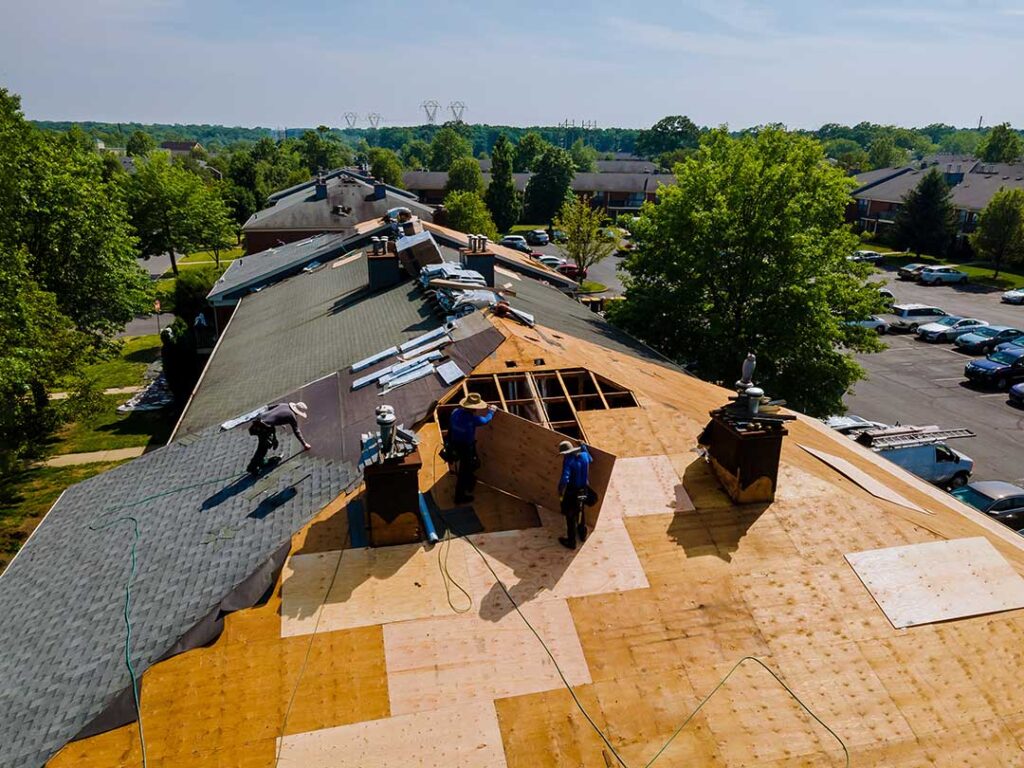
Why Should Local Residents Remove Debris from Their Roof?
Removing debris from your roof helps prevent water damage, shingle deterioration, and ice dams, which are common issues in areas with seasonal weather shifts like Wellsville, NY. Build-up of leaves, branches, pine needles, or moss can block water flow, leading to leaks or even premature roof wear. Keeping your roof clear also discourages pest activity and supports proper drainage, preserving both your home’s value and comfort through the region’s snowy winters and rainy springs.
What Kinds of Debris Typically Accumulate on Local Roofs?
Roofs in the community often gather debris such as:
- Leaves and twigs, especially near large trees
- Pine needles from conifers common in residential areas
- Seed pods or acorns in the fall
- Moss and algae, often in shaded or damp spots
- Wind-blown trash or organic material during storms
Some materials, like wet leaves or moss, can retain moisture against shingles, increasing the risk of ice dams or mold when temperatures fluctuate.
When Is the Best Time to Clear Roof Debris in Wellsville?
Late autumn, after leaves have fallen but before heavy snow, is typically the best season for local households to clear their roofs. A second check in spring, after ice and snow have melted, helps ensure no debris trapped by winter conditions remains. Clearing after major windstorms is also wise, as loose branches and litter can appear suddenly.
Short, dry days with minimal wind provide the safest conditions for working on a roof.
What Tools and Safety Precautions Are Needed?
For most local roofs, common hand tools and sturdy safety equipment suffice. Always put safety first:
- Use a stable ladder with non-slip feet, positioned on level ground. Have another person nearby if possible.
- Wear shoes with good traction.
- Work on dry days to reduce the risk of slipping.
- Avoid windy conditions, as gusts can make climbing hazardous.
Useful tools may include:
- A soft-bristled broom or roof rake (extendable for single-story homes)
- Work gloves to protect from sharp debris
- A plastic shovel or leaf blower for larger quantities (never use metal tools, which can damage shingles)
- Safety glasses to shield eyes from dust or falling material
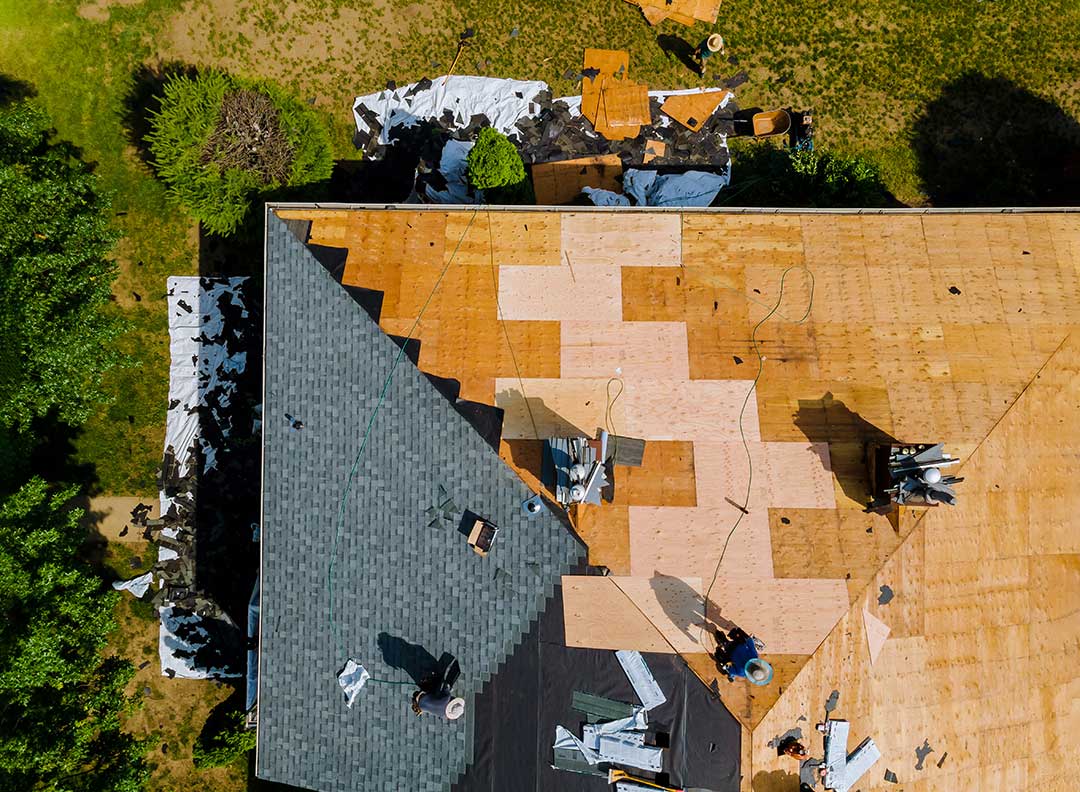
Never walk on a steep, wet, or icy roof. For houses with more than one story or sharply pitched roofs, ground-based tools like extension roof rakes are often safer.
How Do You Remove Debris Without Damaging the Roof?
Gently sweeping debris down the slope of the roof, rather than across, helps avoid dislodging shingles or granules. Always start from the peak and work downward. For small debris, a soft broom or leaf blower is usually sufficient.
Avoid power washing, as high-pressure water can damage asphalt shingles and force water under flashing.
For gutters, use a scoop or gloved hands to clear out leaves and flush with a garden hose. Clean gutters ensure that water drains properly, reducing the risk of water pooling on the roof edge or backing up under shingles—a particular concern during freeze-thaw cycles.
Are There Misconceptions About Roof Debris Among Local Homeowners?
A common misconception is that light debris like pine needles or leaves is harmless until it’s several inches deep. In fact, even shallow accumulations can trap moisture and start to break down roofing materials, especially in Wellsville’s humid summers and freezing winters.
Another overlooked factor: some residents use salt or chemical de-icers to clear moss or ice from roofs. These can corrode roofing materials or run off into gardens, so mechanical removal is usually safer.
What Should Residents Avoid for Long-Term Roof Health?
Avoid scraping or prying up stuck-on material, which can dislodge shingles or damage waterproof layers underneath. Don’t ignore clogged gutters—overflow often leads to soffit, fascia, or even interior wall damage, which is costly to repair.
Trim overhanging branches to reduce new debris and discourage moss by allowing more sunlight onto shaded roof sections. This proactive step can make future cleaning easier and less frequent.
When Is It Not Safe to Tackle Debris Removal Alone?
If your roof is particularly steep, high, or shows signs of structural damage, DIY removal may not be safe. Evidence of rot, loose shingles, or sagging sections means foot traffic could cause further harm. Also, if there’s any indication of mold or large nests, professional assessment is a safer route due to potential health risks. For most single-story or gently sloped roofs, however, basic debris removal can be safely handled with proper caution and equipment.
