
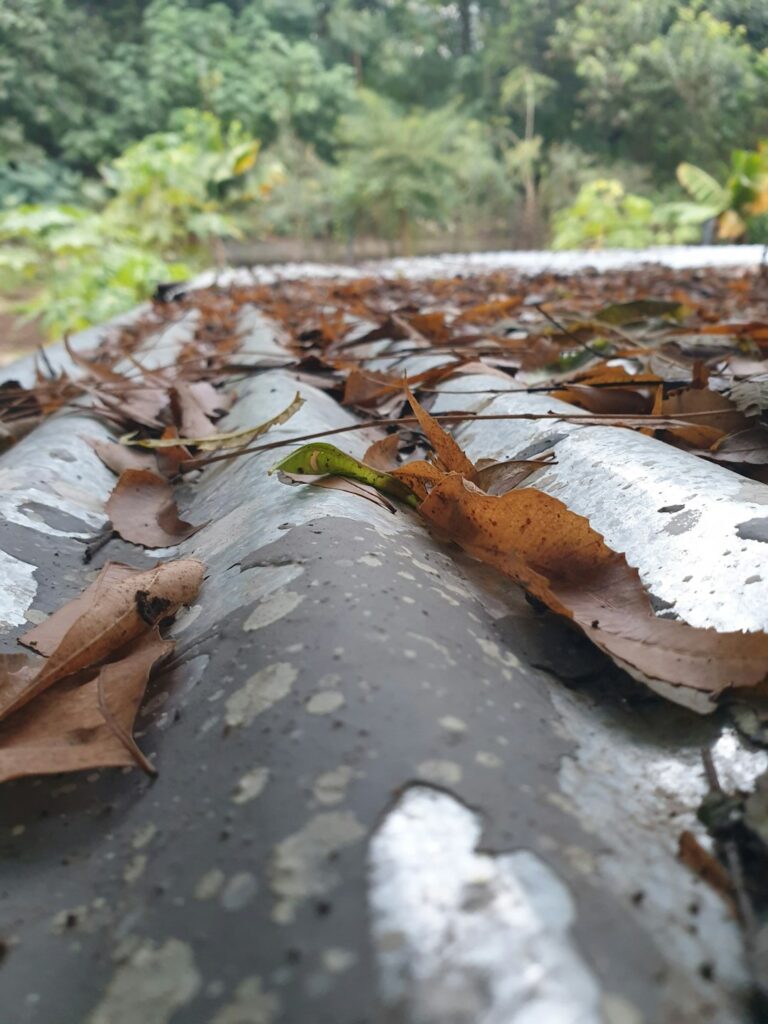
Fall is the right time for residents of Wellsville, NY to inspect the roof, clear drainage paths, and address small problems before freezing temperatures, wind, and snow make repairs more difficult. A few careful checks can help reveal damaged shingles, clogged gutters, weak flashing, and attic moisture before they become winter leaks.
Why does fall roof maintenance matter?
Fall weather brings falling leaves, repeated rain, strong winds, overnight freezes, and changing temperatures. These conditions can expose weaknesses that may not be obvious during summer.
A roof does more than shed rain. It also protects the attic, insulation, framing, exterior walls, and interior finishes from moisture. If water cannot drain properly or enters through a damaged area, the resulting problems may include:
- Wet insulation
- Stained ceilings and walls
- Mold or mildew growth
- Rotted roof decking or trim
- Damaged gutters and downspouts
- Ice dams during winter
In a climate with regular freeze-thaw cycles, a small opening around a flashing joint or shingle can become more troublesome as trapped moisture freezes and expands.
What should be checked from the ground first?
A ground-level inspection is a useful starting point and avoids unnecessary ladder or roof hazards. Use binoculars if needed and look at each roof slope from several angles.
Watch for:
- Shingles that are curled, cracked, missing, or visibly lifted
- Dark areas that may indicate moisture or surface wear
- Exposed fasteners or loose metal flashing
- Sagging roof lines
- Debris collecting in valleys
- Moss or heavy organic growth
- Damaged chimney caps, vent covers, or plumbing vent flashing
- Gutters pulling away from the roof edge
After windy weather, look for shingle pieces or granules around the foundation and in gutters. A small amount of granule loss can occur on an aging roof, but large accumulations or bare-looking shingle areas deserve closer attention.
A roof that appears uneven or sagging should not be climbed. Sagging may indicate a structural or moisture-related problem that requires a careful evaluation.
How should gutters and downspouts be prepared?
Gutters should be cleared after most leaves have fallen and checked again if nearby trees continue shedding. Leaves, twigs, roof granules, and compacted organic debris can block water during late-fall rain and winter melting.
While cleaning, check that:
- Water flows toward the downspouts
- Gutter sections are firmly attached
- Seams are not leaking
- Downspouts are open
- Extensions direct water away from the foundation
- Downspouts do not discharge onto walkways where water can freeze
Gutter guards may reduce the amount of debris that enters a gutter, but they do not eliminate maintenance. Small leaves, seeds, and roof granules can still collect on top of or beneath some guard systems.
A blocked gutter does not always cause an immediate roof leak. It can instead keep water against the roof edge, fascia, and soffit. In winter, the same obstruction may contribute to ice buildup.
What roof areas deserve extra attention?
Certain parts of a roof are more likely to develop leaks because they contain joints, changes in direction, or penetrations.
Inspect visible portions of:
- Valleys, where two roof slopes meet
- Areas around chimneys and skylights
- Plumbing vent flashing
- Sidewalls and roof-to-wall transitions
- Dormer intersections
- Eaves and drip edges
- Areas beneath overhanging branches
Flashing should lie flat and appear securely attached. Sealant that is cracked, missing, or heavily deteriorated may allow water behind the flashing, although adding surface sealant is not always a complete repair.
Do not cover damaged shingles with temporary materials that can trap moisture or interfere with drainage. Temporary protection may be appropriate during an active leak, but it should not replace correcting the underlying problem.
Should the roof be cleaned in the fall?
Remove loose leaves, branches, and other debris, especially from valleys and low-slope sections. Debris can hold moisture against roofing materials and conceal damaged areas.
Avoid scraping shingles with a shovel, stiff rake, or other tool that can remove protective granules. Pressure washing is also generally unsuitable for asphalt shingles because it can damage the surface and force water beneath the roofing layers.
Moss and algae should not be treated aggressively. Moss can lift shingle edges, but careless removal may cause more damage than the growth itself. The safest method depends on the roofing material and how firmly the growth is attached.

Tree limbs that touch or repeatedly rub against the roof can wear away the surface and drop debris. Limbs near power lines or large branches over the roof create additional safety concerns and should not be handled casually.
How can fall maintenance reduce ice-dam problems?
Fall maintenance can lower the risk of ice dams, but clearing gutters alone does not prevent them. Ice dams usually develop when heat escapes into the attic, warms part of the roof, melts snow, and allows the water to refreeze near colder eaves.
Before winter, inspect the attic for:
- Damp insulation
- Frost on nails or roof sheathing
- Water stains
- Musty odors
- Blocked soffit vents
- Bathroom or kitchen exhaust venting into the attic
- Gaps around attic hatches, chimneys, and wiring penetrations
A properly insulated and ventilated attic should limit heat transfer into the roof assembly. Bathroom and kitchen exhaust fans should discharge outdoors rather than into an attic space.
If a home has a history of heavy icicles, recurring ceiling stains, or ice buildup along the eaves, the cause should be investigated before winter. Adding heating cables without correcting air leakage, insulation, or drainage problems may only address part of the issue.
What roof work is safe for a homeowner?
Ground inspections, attic observations, gutter checks, and removing reachable debris can often be handled safely if conditions are dry and stable. Roof surfaces become especially hazardous when wet, frosted, icy, or covered with leaves.
Use caution with ladders:
- Place them on firm, level ground
- Keep the base clear of ice and wet leaves
- Maintain three points of contact
- Avoid leaning beyond the ladder rails
- Do not climb onto a roof that is steep, slippery, damaged, or unstable
Professional evaluation is justified when the roof is difficult to access, structural damage is suspected, a leak is active, or repair work would require walking on a steep or fragile surface. Safety is more important than completing an inspection personally.
What should be documented before winter?
Take clear photographs of questionable areas from the ground and inside the attic. Record ceiling stains, gutter problems, missing shingles, and any locations where water appears after rain.
It is also useful to note:
- The approximate age of the roof
- Previous leak locations
- Areas where snow tends to drift
- Recurring ice buildup
- Whether gutters overflow during heavy rain
- Any rooms with damp or musty odors
This information helps distinguish a new problem from a recurring one and makes it easier to monitor changes after major storms.
A fall roof check does not need to be complicated. The most valuable steps are keeping drainage paths open, identifying visible damage, checking attic conditions, and avoiding unsafe roof access before cold weather arrives.
