

What is roof flashing?
Roof flashing is thin, water-resistant material installed around roof joints, edges, and openings where water could otherwise enter. It directs rain and melting snow away from vulnerable areas and into drainage paths such as gutters or downspouts.
Flashing is commonly made from galvanized steel, aluminum, copper, or other corrosion-resistant materials. The material itself matters, but proper placement and installation matter just as much. A strong roofing system can still develop leaks if flashing is missing, poorly fitted, rusted, or separated from surrounding materials.
Most flashing is not highly visible from the ground. Some pieces are covered by shingles, siding, or trim, while others are exposed along roof edges, valleys, walls, and around penetrations.
Where is flashing used on a roof?
Flashing is needed anywhere the roof surface changes direction, meets another material, or is interrupted by an object. Common locations include:
- Chimneys: Counterflashing and base flashing work together to keep water from entering where masonry meets the roof.
- Roof valleys: Valley flashing helps carry concentrated runoff away from the point where two roof slopes meet.
- Plumbing vents: Small metal or rubber flashing assemblies seal the area around pipes that pass through the roof.
- Skylights: Flashing surrounds the skylight frame and guides water around it.
- Walls and dormers: Step flashing is installed in sections where a sloped roof meets a vertical wall.
- Roof edges: Drip edge flashing helps keep water away from the fascia and protects the edge of the roof deck.
- Eaves and rakes: Edge flashing can limit water intrusion and reduce damage caused by wind-driven rain.
Each location has different requirements. Flashing around a chimney cannot simply be used around a plumbing vent, and valley flashing must be shaped to handle much more water than a small wall intersection.
Why does flashing matter in Wellsville, NY?
Roof flashing is especially useful in climates with repeated cycles of rain, snow, ice, and freezing temperatures. In Wellsville, NY, roofs may face heavy precipitation, ice buildup, wind-driven rain, and seasonal expansion and contraction of building materials.
Water can enter through a very small opening. Once inside, it may travel along roof decking, rafters, insulation, drywall, or wall framing before appearing as a ceiling stain. This means the visible location of a leak is not always the location where water entered.
Proper flashing helps:
- Prevent moisture from reaching the roof deck
- Reduce rot in wood framing and sheathing
- Protect insulation from becoming wet
- Limit staining and deterioration inside the home
- Reduce the risk of mold caused by persistent moisture
- Preserve the service life of shingles and other roofing materials
Flashing cannot prevent every roof leak, but missing or damaged flashing is a frequent source of trouble around roof transitions and penetrations.
How can homeowners recognize a flashing problem?
Some flashing failures are easy to see, while others require closer inspection. Warning signs may include:
- Water stains on ceilings or upper walls
- Dampness near a chimney, skylight, or vent
- Shingles that lift or curl near a roof joint
- Rust, holes, or open seams in exposed metal
- Loose pieces of metal after strong winds
- Cracked sealant around flashing edges
- Soft or discolored wood near roof trim
- Granules or pieces of roofing material collecting in gutters
- Drips or damp insulation in an attic after rain
A leak that appears only during wind-driven rain may point to a flashing or edge problem rather than a general failure of the roof surface. Ice dams can also expose weaknesses in flashing by allowing water to back up beneath shingles and around roof intersections.
Does caulk or roofing cement fix flashing permanently?
Usually, no. Sealants can help close small gaps, but they are not a substitute for correctly installed flashing. Outdoor sealants can shrink, crack, lose adhesion, or separate as temperatures change.
A patch may temporarily slow a leak, especially during an emergency, but a lasting repair often requires examining how the flashing overlaps the surrounding roofing materials. Water-shedding assemblies depend on layered construction. If those layers are installed in the wrong order, adding more sealant may only hide the problem for a short time.
A useful principle is that flashing should rely primarily on proper overlaps, slopes, fasteners, and integration with the roof system. Sealant is generally a secondary line of defense, not the main water barrier.
What is step flashing, and why is it used?
Step flashing is made of short, overlapping pieces of metal installed where a sloped roof meets a vertical wall. Each piece is placed with a shingle or roofing course so water moves downward without entering the wall joint.
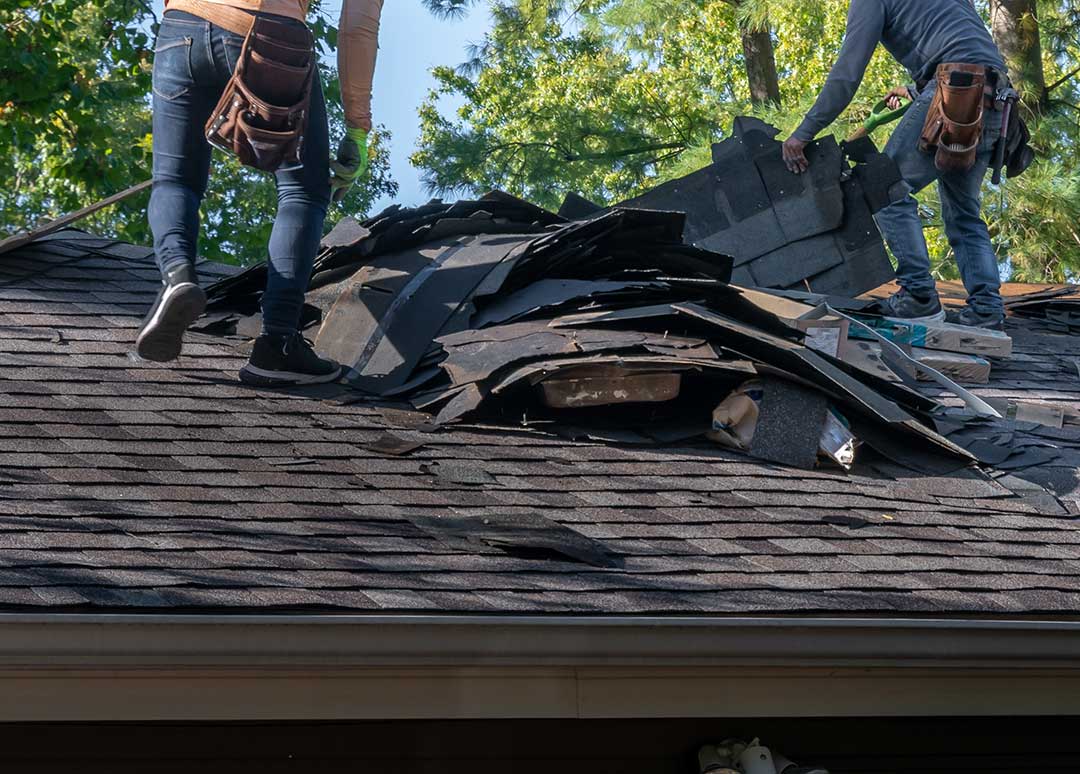
This design is common around:
- Dormers
- Sidewalls
- Roof-to-wall intersections
- Extensions with different roof heights
Step flashing is often concealed beneath siding or trim. If siding is replaced, a wall is altered, or a roof is repaired without properly integrating the flashing, a previously watertight area may begin leaking.
A common misconception is that one long strip of metal is always better than individual step-flashing pieces. The correct approach depends on the roof and wall design, but step flashing is widely used because it allows the roof covering and wall covering to overlap in a water-shedding sequence.
How do ice and snow affect roof flashing?
Snow and ice do not automatically damage flashing, but they increase the amount of water and mechanical stress a roof system may experience. Freeze-thaw cycles can widen small cracks, loosen fasteners, and cause materials with different expansion rates to move against one another.
Ice dams are another concern. When water is held above an ice buildup, it may reach areas that normally shed water quickly. If flashing is already loose or poorly integrated, backed-up water can enter beneath roofing materials.
Keeping gutters and downspouts reasonably clear helps control runoff, but it does not correct defective flashing. Safe inspection practices are essential during winter because icy roofs and ladders create serious fall hazards.
Can flashing be replaced without replacing the whole roof?
Sometimes. A localized flashing problem may be repairable if the surrounding shingles, roof deck, wall materials, and underlayment remain in sound condition. Repairs may involve removing a limited area of roofing, replacing damaged metal, and reinstalling the layers in the correct order.
In other cases, flashing is integrated so deeply with shingles, siding, masonry, or underlayment that a broader repair is necessary. The extent depends on the location, age of the roof, amount of moisture damage, and condition of nearby materials.
A roof that has leaked for a long period may need more than new flashing. Wet insulation, deteriorated sheathing, or rotted framing can remain damaged even after the entry point is sealed.
What should be checked during a roof inspection?
A practical flashing inspection should include more than looking for visible rust. Important questions include:
- Are metal sections properly overlapped?
- Are exposed edges secure and free from holes?
- Does flashing extend behind or beneath adjacent materials as required?
- Are chimney joints sealed with compatible counterflashing?
- Are pipe boots cracked or deteriorated?
- Is water able to drain freely through valleys?
- Are roof edges protected from runoff?
- Is there evidence of staining or dampness in the attic?
- Have recent repairs disturbed wall or roof flashing?
Because many flashing components are concealed, a careful inspection may require checking the attic and the interior areas below roof penetrations. If a leak is active near electrical wiring, insulation, or a ceiling fixture, avoid touching wet components and treat the situation as a safety issue.
Good flashing is easy to overlook because it performs its job quietly. Its purpose is simple: guide water away from the places where a roof changes direction, meets another surface, or is interrupted. In a rainy, snowy, freeze-thaw climate, those small details can make a substantial difference in how well a roof protects the rest of the home.
