
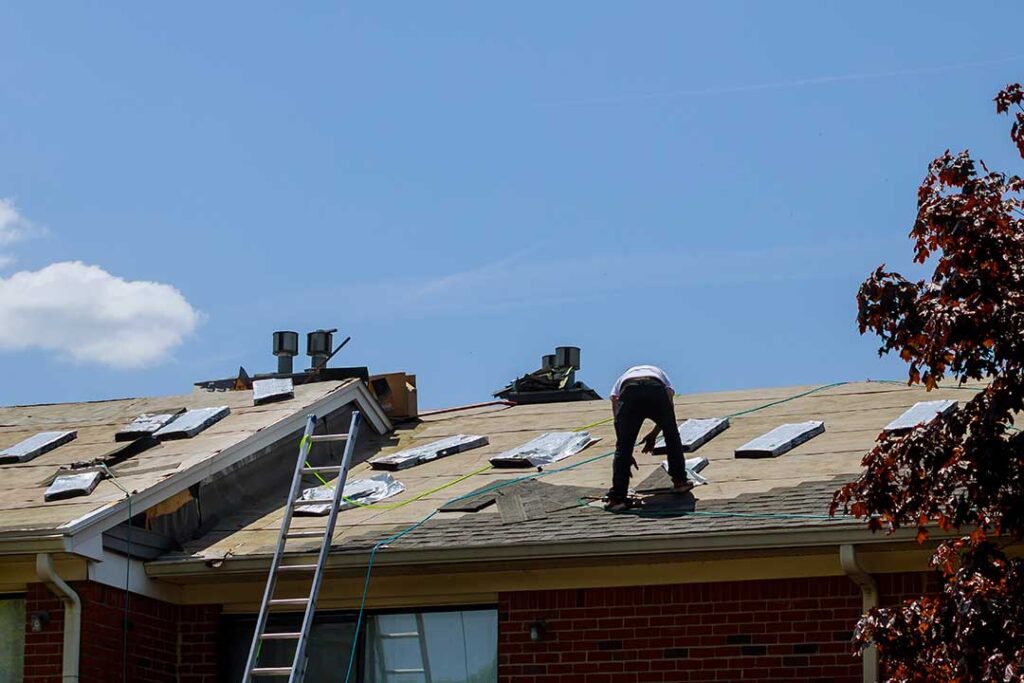
What Is “Green Roofing” and Why Do Homeowners in Wellsville, NY Consider It?
Green roofing broadly describes solutions that make roofs more environmentally responsible or energy-efficient. In Wellsville, the most common types are living (vegetated) roofs, cool roofs with reflective surfaces, and installations that use recycled or sustainable materials. Residents explore these options to lower heating and cooling bills, protect the environment, reduce stormwater runoff, and improve air quality.
Area homeowners often want to know if green roofs actually live up to the hype in Wellsville’s specific climate—and whether these systems hold up through snowy winters and seasonal temperature swings.
Are Green Roofs Feasible in Wellsville, and How Do They Work Here?
Green roofing is possible in Wellsville, but feasibility depends on the style of roof, the building’s structure, and homeowners’ willingness to maintain their systems.
- Living roofs feature layers of soil and plants. In Wellsville, the biggest challenge is weight: heavy snow plus planting layers can strain older buildings. Local homes with flat or gently sloped roofs and strong framing are better suited than steeply pitched or aged structures.
- Cool roofs are made from highly reflective materials or coatings that bounce sunlight away. These can reduce summer cooling loads, though their energy savings are less dramatic in cooler climates than in regions with scorching summers.
- Sustainable roofing materials made from recycled content, clay, slate, or metal can last decades and may offer secondary green benefits depending on production and transport impacts.
Anyone interested should research their specific roof type, as not all homes can support the added weight or retrofitting that green roofs require.
Do Green Roofs Survive Local Winters and Heavy Snow?
Wellsville’s winters test any roof, but especially green roofing systems. Properly designed living roofs—those with robust waterproofing, drainage, and load-bearing capacity—can survive the area’s snow and freeze-thaw cycles. However, maintenance is non-negotiable:
- Plant species must be cold-hardy and drought-tolerant
- Drainage needs to be kept clear of ice dams and debris
- Roof inspections are more important to spot leaks or membrane damage
Cool roofs perform reliably, as snow already reflects sunlight away. In winter, their insulation isn’t a disadvantage because most heat escapes from attics or walls, not through the roof surface itself.
Will You See Noticeable Energy Savings?
The promise of lower heating and cooling costs is a major appeal. In the Wellsville area, summer temperatures usually aren’t as extreme as in southern climates. That means cool roofs and vegetated roofs help modestly reduce AC use during warm spells, but won’t slash utility bills dramatically for most homes. However, every bit helps in a tight budget.
In winter, living roofs may add some insulation—especially if snow remains on the roof, which itself acts as a natural blanket. The biggest energy benefits go to buildings where the roof covers a large, open living space close to the surface (like ranch houses or low-rise buildings).
How Do Green Roofs Affect Water Management and the Environment?
Stormwater management is a local concern, particularly after heavy rains or rapid snowmelts. Living roofs absorb rainwater and slow runoff, easing pressure on local storm drains and reducing the risk of minor flooding or erosion around homes.
Other types of green roofing (like cool roofs or recycled materials) don’t directly manage water, but can reduce heat islands and require less-frequent replacement—lowering landfill waste over time.
What Maintenance and Costs Are Involved?
Green roofing typically comes with greater upfront costs and sometimes higher maintenance needs compared to standard asphalt shingles familiar across Wellsville.
- Living roofs require yearly (or seasonal) checks of plant health, drainage trays, waterproofing seams, and sometimes replanting or fertilizing.
- Cool roofs and most sustainable tiles need less ongoing care, mostly just routine cleaning and periodic inspections for wear.
- Any green roof must comply with local building codes, so it’s wise to check Wellsville’s specific requirements before major changes.
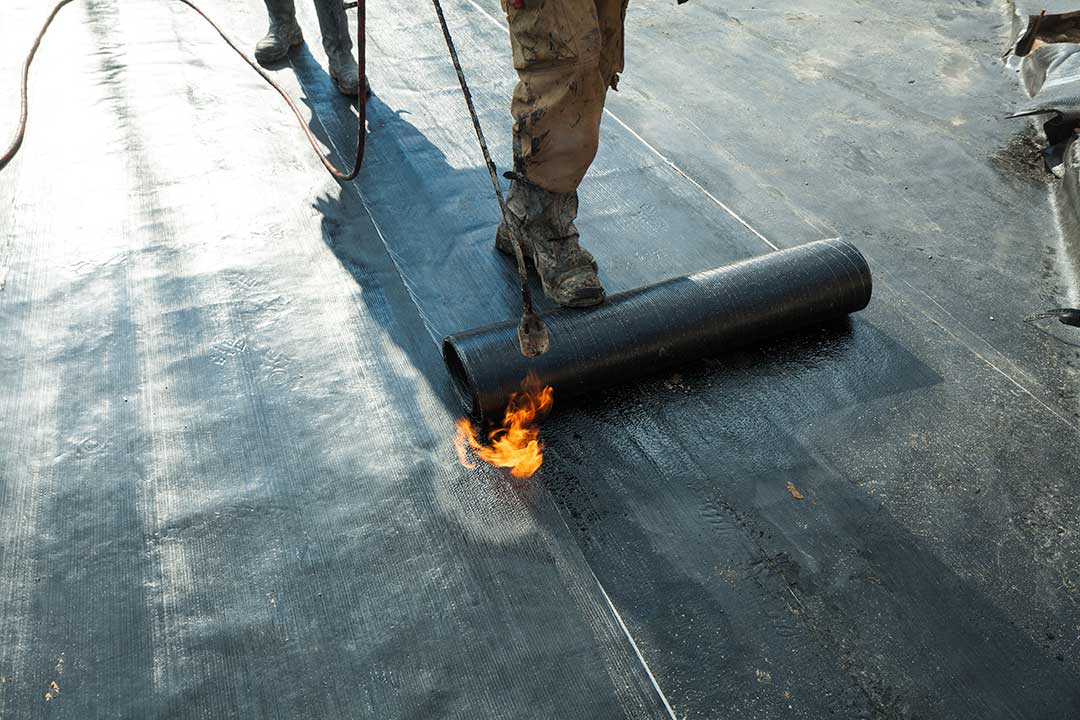
Costs vary widely and most eco-friendly systems cost more initially. Over time, some homeowners recoup part of that through reduced maintenance (because long-lasting roofs need fewer replacements) or lower utility bills. Financial payback is typically slow and should be weighed against non-monetary benefits like comfort or environmental improvement.
What Are the Most Common Misconceptions About Green Roofs Here?
A few points regularly cause confusion among area residents:
- Living roofs do not eliminate all roof repairs; they add longevity if installed and maintained well, but still require routine attention.
- Green roofing does not guarantee large energy savings in a cooler climate, but can help small households cut summer costs and modestly insulate in winter.
- Not all green options look wild or require gardening skills—simple cool roofs are visually similar to standard ones and need little special upkeep.
- Wellsville’s climate does not make green roofing impossible, but heavier, planted roofs are best designed and installed with our snow loads and drainage issues in mind.
Who Might Green Roofing Be Worthwhile For?
The decision comes down to priorities and property characteristics. Green roofs make the most sense for:
- Homeowners with newer, structurally sound buildings and flat or very low-sloped roofs
- People committed to maintenance and occasional roof checks
- Residents especially concerned with reducing runoff, improving local air quality, or lowering long-term landfill waste
- Those who value non-financial returns, such as personal satisfaction, aesthetic improvement, or supporting wildlife habitats
For many other homes—especially older, steeply pitched, or historically significant buildings—the technical and financial hurdles can outweigh the benefits. Cool roof upgrades and sustainable shingles deliver some green benefits with less complexity.
