
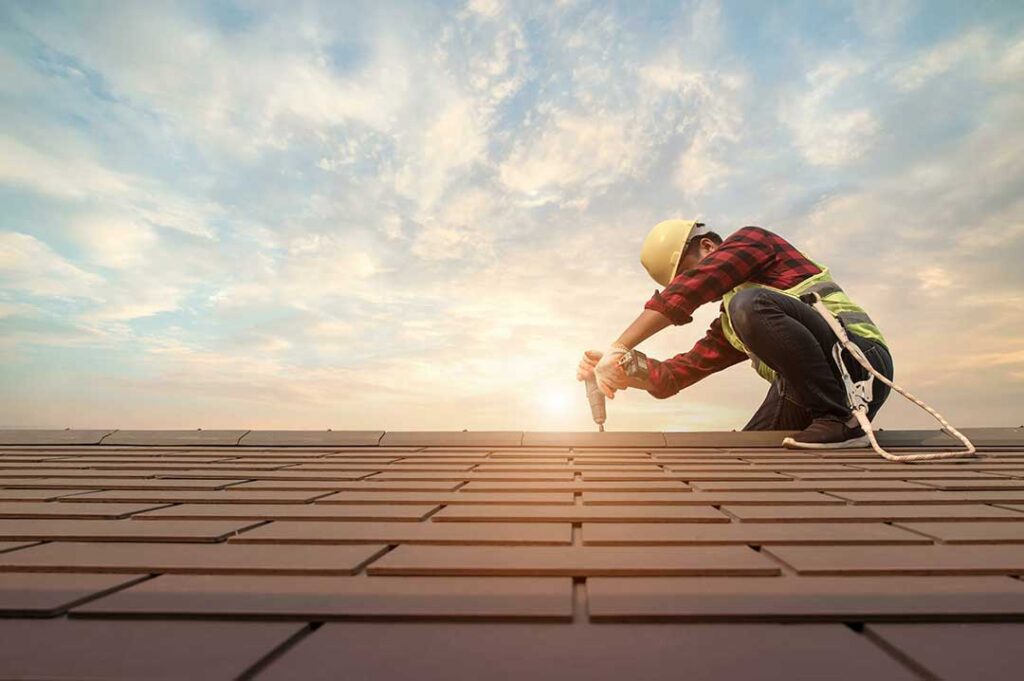
Are All Roofing Materials the Same for Homes in Wellsville, NY?
No, not all roofing materials are equal, especially in a place with the mixed climate seen here. The area’s freeze-thaw cycles, annual snowfall, and occasional high winds make certain materials better suited for local houses.
Some residents assume that any shingle will perform well for years, but in reality:
- Asphalt shingles come in many grades; some may be prone to cracking or curling when exposed to repeated snow and sun.
- Metal roofs, while more expensive upfront, often outlast cheaper materials and shed snow efficiently—a benefit in local winters.
- Traditional wood shakes or slate tiles, seen on older homes, require more upkeep to resist moisture and moss.
Choosing the right material means balancing appearance, budget, and durability specific to how roofs weather in this region.
Does a Roof Only Need Attention When It Leaks?
Waiting for a visible leak before acting is a common mistake. Most significant water damage starts long before a drip appears inside.
Roofs in this community often face:
- Hidden issues like missing shingles from windstorms or ice dams along eaves.
- Small punctures or lifted seams, allowing water into attic spaces, causing slow rot or mold.
- Failing flashing around chimneys or vent pipes which can lead to leaks even without shingle damage.
Routine seasonal inspections (especially after winter) help catch problems early, preventing more costly repairs or structural issues later.
Is Roofing Really a DIY-Friendly Project?
While minor tasks like clearing gutters or replacing a single shingle seem easy, even small roof jobs can be riskier than they look.
Local homes are typically pitched (not flat), and Wellsville’s cool, damp mornings often leave surfaces slippery. Many underestimate:
- The risk of falls, even from one story up.
- Difficulty spotting hidden damage—moss or algae might indicate moisture issues not visible from the ground.
- The need for safety equipment and an understanding of building codes, which cover repairs or changes to certain roof elements.
For larger structural repairs or anything involving significant height, personal safety and code compliance are valid reasons to seek outside expertise.
Do New Roofs Automatically Come With Maintenance-Free Peace of Mind?
A new roof isn't a "set it and forget it" upgrade—especially in this climate. Seasonal debris, ice dams, and gutter blockages still require routine cleanup.
Some new roof owners wrongly conclude:
- Their warranty covers every issue, not realizing many require annual cleaning or small maintenance tasks to stay valid.
- Moss, leaves, or branches won’t build up or harm a new roof, yet local tree cover and wind say otherwise.
- Attic ventilation and insulation no longer matter, when in fact, they’re key to preventing ice dams and keeping the roof deck dry.
Staying involved with basic roof care helps prevent avoidable problems, even on recently installed systems.
Is Roof Age the Only Reason Replacement Becomes Necessary?
Age is a factor, but local climate events and installation quality often matter more than just the number of years since installation.
Many residents believe a roof will last a predictable two or three decades, but in reality:
- Hail, heavy snow, or powerful wind gusts may damage roofs before their expected lifespan ends.
- Older homes with several shingle layers may hide underlying damage that shortens the effective life.
- Improper ventilation or moisture trapped in attic spaces can cause the roof to fail early, regardless of age.
Local conditions often determine how long roofing holds up—not just the date it was installed.
Can Adding a Second Layer of Shingles Save Money and Offer the Same Protection?
It’s common to think “roofing over” with a second layer is a simple, cost-saving fix. However, there are hidden drawbacks.
Adding another layer can:
- Trap heat and moisture, especially if attic ventilation isn’t adequate.
- Add weight that older structures may not handle well, creating structural strain.
- Make it harder to spot and fix previous hidden problems beneath the shingles.
Most homes in the area see longer-lasting results from a complete tear-off and replacement, which addresses underlying damage and ventilation needs.
How Much Do Local Weather and Seasons Impact Roofing?
Local weather is one of the single biggest factors affecting roofs. Snow loads, ice, fluctuating temperatures, and summer storms each stress roofing systems in different ways.
A few specific challenges locally include:
- Ice dams created when warm attic air melts snow, causing refreeze at the roof edge—leading to water seepage.
- Sudden thaws or heavy rain after a snowstorm, testing roof drainage and gutter health.
- Tree branches weighed down by ice, potentially scraping or puncturing roofing during storms.
Understanding and preparing for these realities helps area homeowners keep their roofs performing as long as possible, regardless of roofing myths or shortcuts.
