
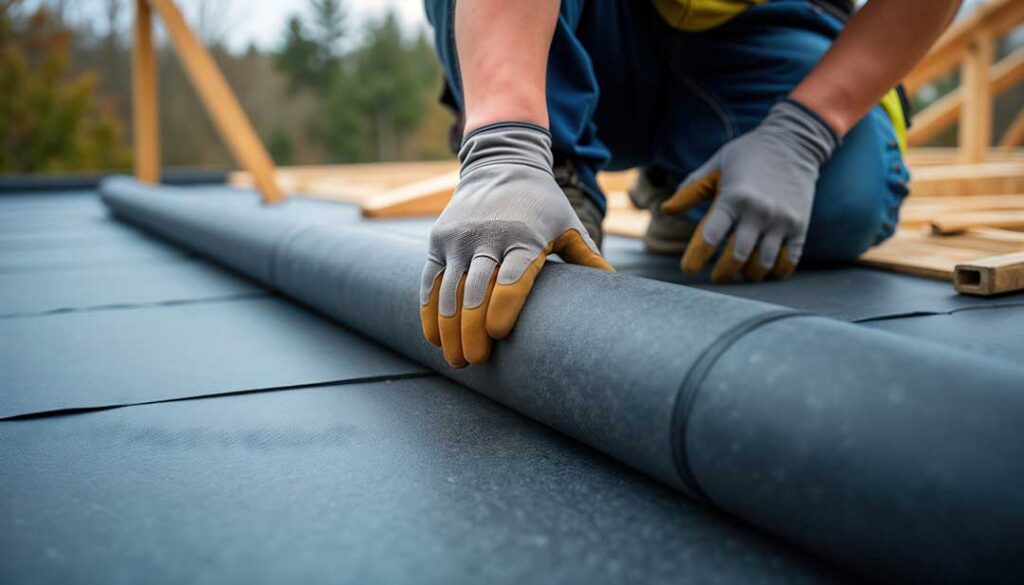
A roof can look worn without needing to be completely removed, but visible aging does not always mean re-roofing is appropriate. The main difference is that re-roofing adds a new layer over an existing shingle layer, while roof replacement removes the old roofing materials and installs a new roof system from the deck upward.
For households in Wellsville, NY, the right choice depends on the roof’s age, the condition of the underlying decking, the number of existing shingle layers, ventilation, moisture history, and the way seasonal weather has affected the structure.
What does re-roofing mean?
Re-roofing, sometimes called an overlay, involves installing a new layer of asphalt shingles over an existing layer. The old shingles remain in place, so the work is usually faster and creates less tear-off debris.
Re-roofing may be considered when:
- The existing roof has only one layer of shingles.
- The roof deck is dry, solid, and free from widespread deterioration.
- Damage is limited to surface-level wear.
- The roof has relatively simple slopes and details.
- Local building requirements allow another layer.
A re-roof can improve the roof’s appearance and provide another period of weather protection. However, it does not correct problems beneath the original shingles. If water has damaged the decking, flashing, underlayment, or ventilation system, placing new shingles over the top may conceal the problem rather than solve it.
An overlay also depends on the existing shingles lying reasonably flat. If the old roof is badly curled, buckled, blistered, or uneven, the new layer may follow those irregularities.
What happens during a full roof replacement?
A full replacement begins with removing the existing shingles and underlayment, exposing the roof deck. The deck can then be inspected for soft spots, rot, open seams, previous patching, or other damage.
A typical replacement may include:
- Removal of old roofing materials.
- Inspection and repair of the roof decking.
- New underlayment and water-shedding materials.
- Replacement of damaged flashing.
- Installation of new shingles or another selected roofing material.
- Improvements to ventilation or drainage details where needed.
- Replacement of roofing-related accessories that have reached the end of their service life.
Full replacement takes more labor and usually produces more debris, but it provides a clearer view of the roof assembly. That matters in a cold, snowy climate where repeated freeze-thaw cycles, ice, wind-driven rain, and heavy snow can expose weaknesses that are not visible from the ground.
Is re-roofing cheaper than replacement?
Re-roofing is generally less expensive at the start because it avoids much of the tear-off and disposal work. It may also reduce the time a home is exposed to construction activity.
The lower initial cost does not automatically make an overlay the better long-term choice. If the existing roof is already near the end of its useful life, the new shingles may have a shorter practical service period because they are installed over an aging base. Future repairs can also be more complicated when multiple layers are present.
A full replacement may cost more initially, but it can address hidden damage and provide a more reliable starting point. The useful comparison is not only the price of installation. It should also include the roof’s expected remaining life, the likelihood of repairs, and whether the existing roof will need removal later anyway.
How can homeowners tell which option is appropriate?
The condition of the roof system matters more than the appearance of the shingles alone. Warning signs that often support a closer inspection include:
- Shingles that are missing, cracked, badly curled, or losing large amounts of granules.
- Dark areas, moss growth, or staining that may indicate persistent moisture.
- Sagging lines along the roof surface or at the ridge.
- Water marks on ceilings, walls, or attic framing.
- Damp insulation or a musty attic smell.
- Rusted, loose, or deteriorated flashing around roof penetrations.
- Repeated leaks in the same general area.
- More than one existing shingle layer.
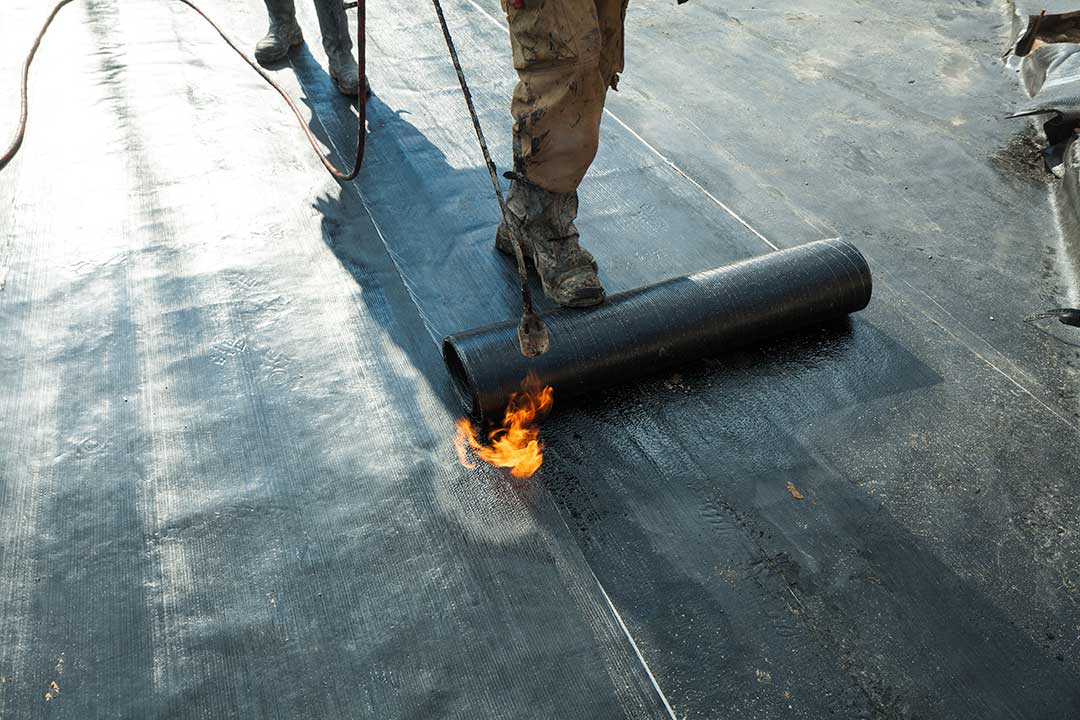
A roof can appear acceptable from the yard while having damage around valleys, chimneys, vent pipes, eaves, or roof-to-wall intersections. Those areas deserve particular attention because they receive concentrated water flow and often require flashing rather than more shingles.
Can a roof be re-roofed if it leaks?
Sometimes, but leakage makes an overlay less straightforward. A small, clearly located problem may be repairable before re-roofing, but widespread or recurring leaks raise questions about the condition of the underlayment and decking.
Adding shingles over a leaking roof does not repair damaged wood or eliminate moisture already trapped below the surface. In some cases, the visible leak inside the home is not directly below the point where water enters the roof. Water can travel along decking, rafters, insulation, or framing before appearing indoors.
If the source cannot be confidently identified and corrected, full removal may be more appropriate because it allows the underlying layers to be examined.
How do local weather conditions affect the decision?
In Wellsville, winter conditions can place repeated stress on a roof. Snow accumulation adds weight, while freeze-thaw cycles can enlarge small openings around flashing and fasteners. Ice buildup near eaves may also contribute to water backing up beneath shingles when drainage is limited.
Spring moisture and summer heat add different pressures. Persistent dampness can encourage moss or algae growth in shaded areas, while strong sun can dry and age exposed roofing materials. Autumn debris can collect in valleys and gutters, increasing the amount of water that must be managed during rain.
These conditions do not automatically require full replacement. They do make the condition of the roof deck, underlayment, ventilation, and edge details more significant than a simple visual judgment based on shingle color or age.
Are there building rules about multiple roof layers?
Building requirements can limit how many roofing layers may remain on a structure. Requirements may also depend on the type of roofing material, the roof’s condition, and whether the existing assembly meets applicable standards.
A property owner should not assume that a second layer is acceptable simply because an older roof already has one. Local requirements, permit rules, and inspection expectations can change, so the applicable code should be verified before work begins. Structural concerns also matter: additional roofing layers add weight to the roof assembly.
What is the practical difference during future repairs?
A roof with one visible shingle layer is generally easier to inspect and repair. With an overlay, the original shingles remain below, which can make it harder to identify the precise source of a leak or determine whether moisture has reached the deck.
Multiple layers may also make later removal more labor-intensive. If a full replacement becomes necessary in the future, all layers may need to be removed before a new system is installed.
For that reason, re-roofing is best viewed as a limited solution for a sound roof with surface-level aging—not as a substitute for repairing structural or moisture-related problems.
Which option makes more sense?
Re-roofing may be reasonable when the existing roof has one layer, the shingles are generally flat, the decking is sound, and there are no signs of widespread moisture intrusion.
Full replacement is more commonly justified when the roof has multiple layers, extensive curling or buckling, recurring leaks, damaged decking, poor ventilation, deteriorated flashing, or a history of significant storm and winter damage.
The central question is not simply whether new shingles can be placed over the old ones. It is whether the roof structure beneath them is dry, stable, properly ventilated, and capable of supporting another roofing layer. That distinction helps homeowners choose a solution based on the roof’s actual condition rather than appearance alone.
