
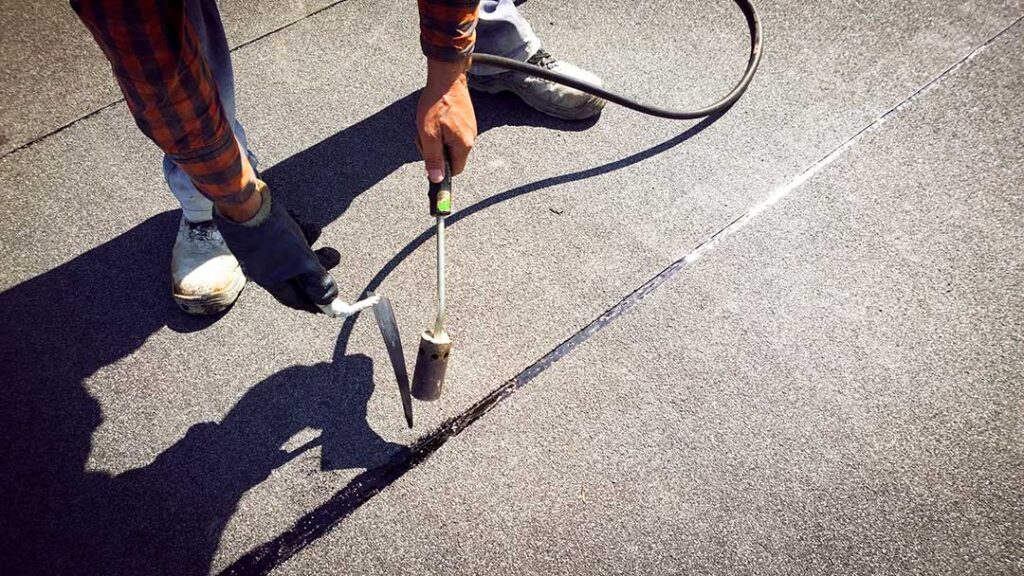
What Immediate Problems Can Develop When Roof Maintenance Is Put Off?
Water can quickly infiltrate damaged roofing, leading to widespread issues. Even a small leak in a shingle or flashing creates a path for moisture. In Wellsville, NY, with its regular heavy rain and snow, those points of entry grow worse with each storm. Rather than drying out, the insulation and wooden structures beneath the roof might soak up water, causing hidden damage.
Residents often ask how quickly a roof issue can escalate. The answer is, sometimes faster than expected:
- Missing or cracked shingles may let in rain after a single storm.
- Poor attic ventilation can trap moisture and contribute to rot, even if there’s no obvious exterior leak.
- Ice dams—common in well-insulated but poorly vented homes—can back up water under shingles, causing leaks several feet inside.
How Does Neglected Roof Damage Affect Home Comfort and Health?
Ignoring small leaks or visible issues often makes indoor living less comfortable and can endanger health. Locally, roof leaks can lead to chilly drafts or unexplained temperature swings in upper floors. Moist insulation and wall cavities also create perfect conditions for mold, which grows quickly in damp environments.
This mold isn’t always visible—it can develop behind walls or in the attic, releasing spores that may aggravate allergies, cause respiratory discomfort, or even trigger asthma symptoms. In Wellsville’s humid summer months and chilly winters, this cycle of wetting and drying is especially tough on indoor air quality.
Can Neglected Roof Damage Impact a Home’s Structure?
Yes, over time even minor roof leaks can affect the stability of a house. Continuous moisture weakens wooden rafters, sheathing, and wall framing. This kind of structural rot is not always obvious until substantial repairs are needed.
Some signs that structural problems may be developing include:
- Ceilings that sag, particularly after snowmelt or heavy rain
- Walls or floors near the attic that feel soft or spongy
- Persistent musty odors in rooms just below the roofline
Each winter, freeze–thaw cycles in Wellsville can exaggerate these problems as water expands within small cracks, widening them over time.
Are Roof Problems Often Overlooked Until It's Too Late?
Many local households are surprised to find that the first visible sign of a roof problem isn’t always a drip from the ceiling. Sometimes it’s peeling paint around windows, visible water stains, or even higher heating bills due to lost attic insulation performance.
Common misconceptions include:
- Believing small leaks will dry out on their own without causing lasting harm
- Relying on interior ceiling stains as the first sign, when much damage can happen out of sight
Regular inspection, particularly after storms or ice events, helps spot developing problems before they require major intervention.
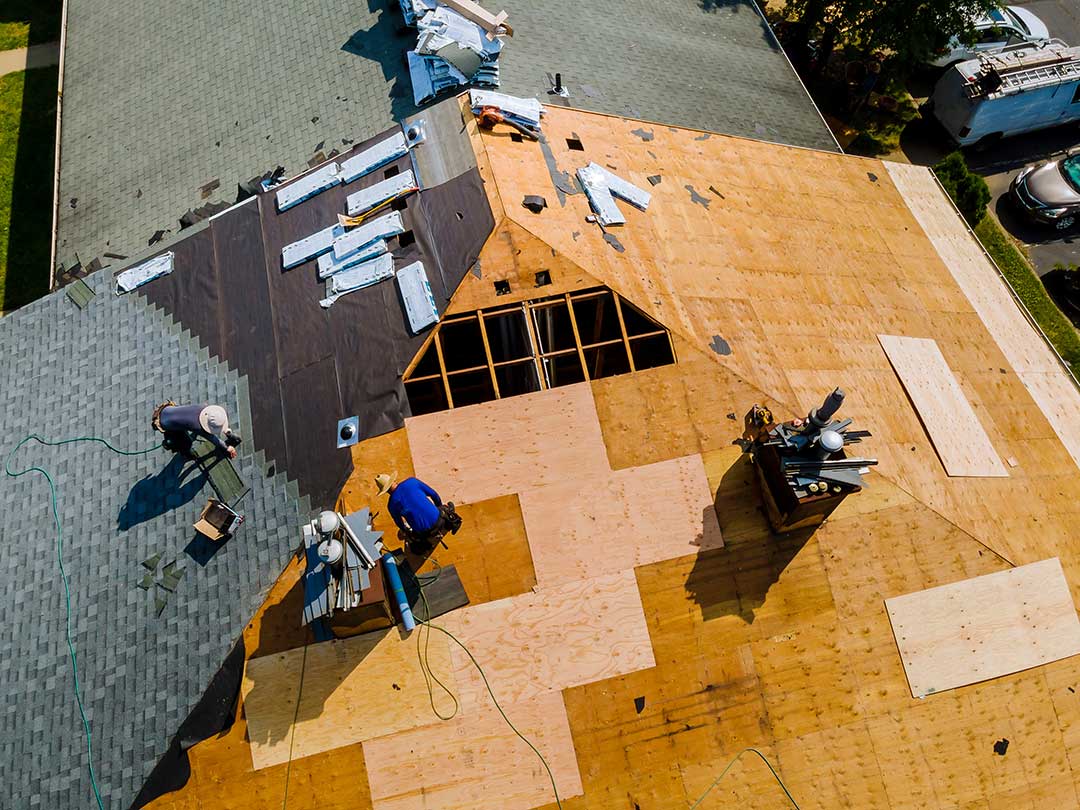
What Are the Financial and Insurance Risks of Skipping Roof Repairs?
Delaying roof repairs usually ends up costing more in the long run. Emergency fixes to walls, insulation, or ceilings after a major leak are much more expensive than addressing small roofing issues as they arise.
Insurance coverage for roof leaks may also be reduced or denied if an insurer determines that a homeowner failed to maintain the property. This occurs more frequently than many residents realize—especially after damage results from ongoing neglect rather than a single storm event.
Practical steps to avoid unnecessary expenses include checking attic spaces twice a year (mid-spring and after autumn storms) and documenting repair needs as they appear.
How Does the Local Climate Worsen the Effects of Roof Neglect?
Wellsville’s climate creates unique stresses on roofing materials. Freezing winters mean that small cracks or open seams can fill with windblown snow and freeze overnight, expanding into substantial gaps. In recent years, spring thaws with rapid melting have resulted in surprise leaks for many households, especially those with older roofs or minimal attic insulation.
Another factor is heavy, wet snow. The weight alone can push water through shingle gaps, especially on low-slope roofs, or ice dams can form along eaves and back water under shingles. Periods of intense summer rain place added strain on any areas weakened during winter.
What Preventative Actions Help Reduce Risk?
Understanding what actions are realistic for Wellsville homeowners is key, considering the local climate and typical housing styles. Some practical prevention tips include:
- Clearing gutters and downspouts before winter and spring to prevent ice buildup
- Checking the attic after storms for new drifted snow or signs of moisture
- Watching for small granules from shingles in gutters, an early indicator of surface wear
- Ensuring attic spaces are well ventilated and insulation isn’t blocking airflow
Safety matters. If leaks require climbing on a steep or icy roof, or if structural damage is suspected, those situations demand caution and may legally require a professional for safe resolution.
By staying aware of the unique local risks and acting early, area households can prevent the hidden and costly hazards that often follow roof neglect.
