
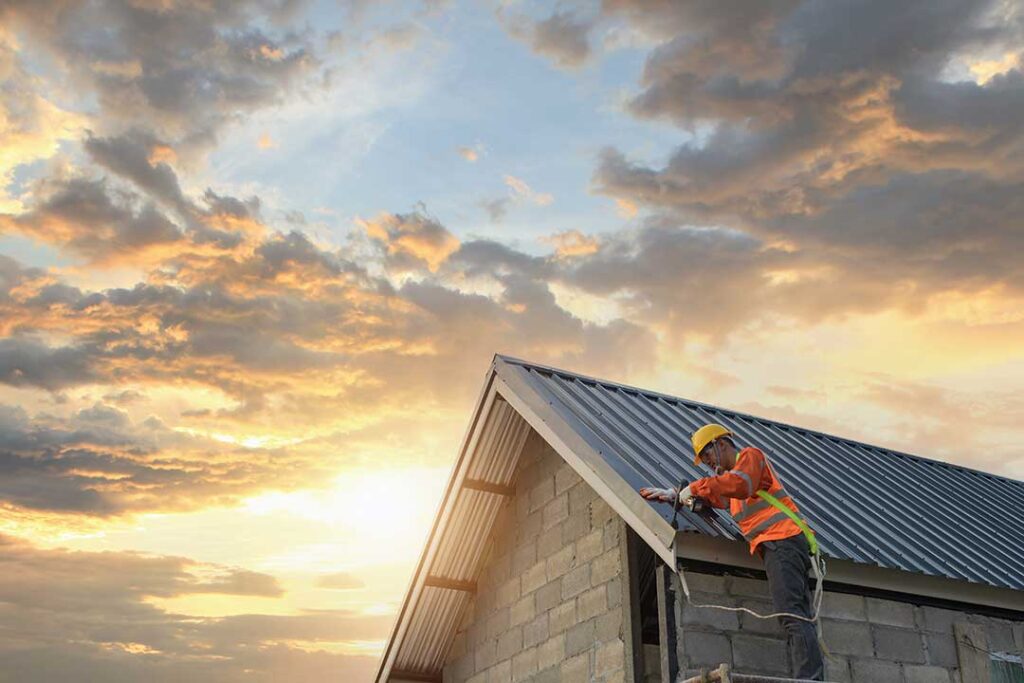
What Causes Shingle Curling and Cracking on Local Roofs?
Shingle curling and cracking often develop as roofs age, exposing homes to the elements and increasing the risk of leaks. In Wellsville, NY, climate patterns and roof maintenance habits play a big role. Cold winters, frequent freeze-thaw cycles, and summer sun put significant stress on roofing materials. Over the years, asphalt shingles may start to curl at the edges or develop visible splits. These issues can also stem from insufficient attic ventilation, low-quality shingle materials, or improper roof installation.
Many area households notice these changes after heavy ice or windy spring storms. Regular inspection after rough weather is a practical habit for catching early signs before problems worsen.
Are Curling and Cracking Always a Serious Problem?
Curling and cracking don’t always mean your roof needs immediate full replacement, but they shouldn’t be ignored. Minor curling on older shingles is common in the region, especially on southern exposures where sun exposure is greatest. However, severe curling (where the edges lift away from the roof deck) and broad, deep cracks are warning signs. These conditions let moisture seep beneath the shingles, increasing the likelihood of interior leaks and energy loss.
Any sudden increase in the number of curled or cracked shingles, especially after a winter thaw or summer storm, should prompt closer inspection.
What Are the Typical Signs Wellsville Residents Should Watch For?
Residents can spot trouble by looking for specific clues:
- Edges of shingles lifting, especially near gutter lines or roof ridges
- Noticeable splits running through the centers of shingles
- Shingles that look distorted, wavy, or uneven compared to flat sections
- Small granules collecting in gutters or at downspouts, indicating weathered shingle surfaces
It’s common to spot isolated curled or cracked shingles on older roofs, but clusters near roof valleys, chimneys, or for several feet at a time deserve more attention.
How Should Homeowners Evaluate the Extent of Curling or Cracking?
A quick ground-level scan can reveal obvious shingle problems, but a closer look is needed to judge severity. Using binoculars or a camera with a zoom lens offers a safer way to inspect hard-to-reach sections. Compare different areas of the roof:
- North-facing slopes might age more slowly due to less sun exposure
- South and west sides, hit hardest by sun and wind, often show issues first
- Shaded or mossy areas sometimes develop “cupping” curls as moisture lingers
Light curling and hairline cracks may not require urgent response, but if entire shingle tabs are standing up or have broken off, water can easily penetrate.
What Can Residents Do Immediately for Small Areas?
For minor curling or localized cracks:
- Flatten lifted shingles gently on a warm, sunny day using minimal pressure
- Apply roofing cement under the curled edge and press down until it adheres; avoid gluing down brittle or crumbling shingles
- Cover narrow, surface-level cracks with a dab of roof sealant, smoothing it with a putty knife
- Clear gutters and downspouts to reduce water backup along vulnerable roof edges
Always work from a stable ladder and never step on steep or icy roofs. If in doubt about safety, further assessment should be left to experienced individuals with appropriate equipment.
When Is Repair No Longer Practical?
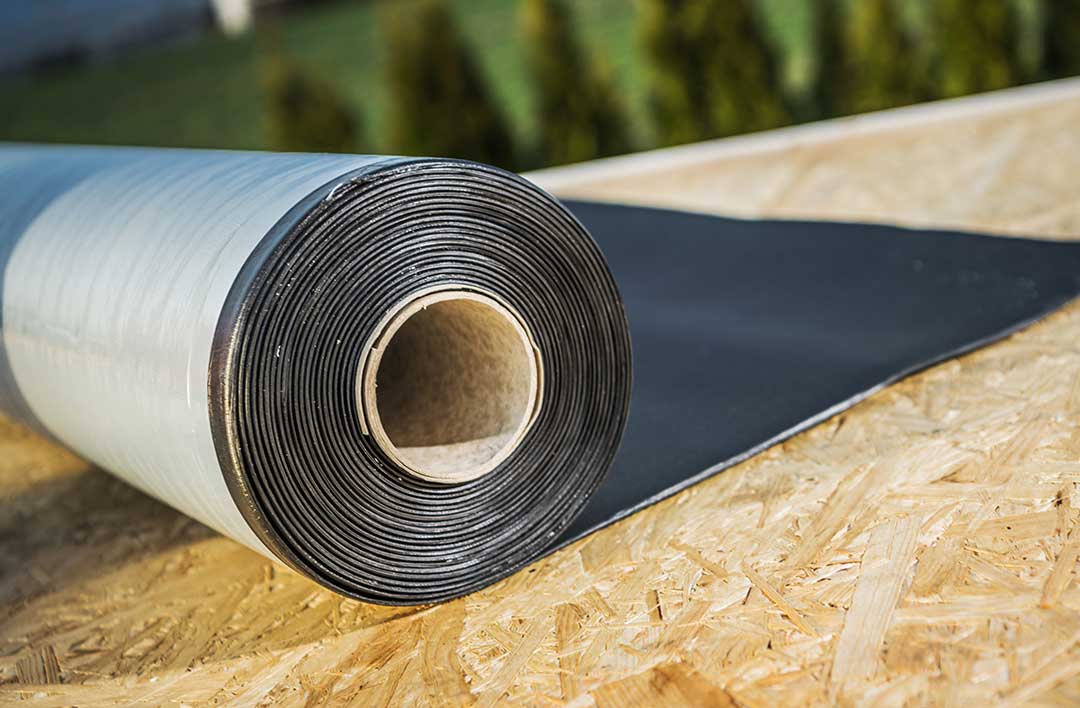
Once shingle curling or cracking affects a large section of the roof or underlying layers appear exposed, quick fixes lose effectiveness. Repairs may not hold during repeated freeze-thaw cycles or under the weight of accumulated snow. Here are some clear signals that repairs have reached their limit:
- Widespread or repeated leaks inside the home, especially after each rainfall
- Underlying roof deck feels soft or spongy to touch from inside the attic
- Shingles are brittle and snap when gently lifted (often seen after several harsh winters)
In cases involving unsafe roof surfaces or significant water damage, professional intervention is often required for safety and compliance with local building codes.
What Steps Can Reduce Future Curling and Cracking?
Proper attic ventilation is one of the most overlooked solutions for shingle longevity. In Wellsville, many homes built before the 1980s lack adequate vents, causing hot air and moisture to build up beneath roof decking:
- Make sure soffit and ridge vents are clear of insulation and debris
- Keep trees trimmed so sunlight dries roof surfaces after rain or snow
Regularly removing leaves, moss, and debris from roof surfaces prevents lingering moisture—a factor that promotes shingle curling and hidden damage. Monitoring attic humidity, especially during snowmelt or after summer storms, also helps to avoid accelerated roof aging.
Are There Long-Term Solutions for Homes in Wellsville?
While repair and maintenance go a long way, all roofs wear out over time, especially in areas with Wellsville’s variable climate. When repeated repairs become frequent or costly, it may be time to consider broader upgrades:
- Upgrading to modern, algae-resistant shingles that better withstand harsh sun and moisture
- Adding attic insulation and ventilation to keep roof surfaces uniformly dry
- Scheduling annual roof and attic checks before winter and after major weather events
Being proactive can help residents maximize the effective life of their current roof, minimize emergency fixes, and manage costs over the lifespan of their home.
